









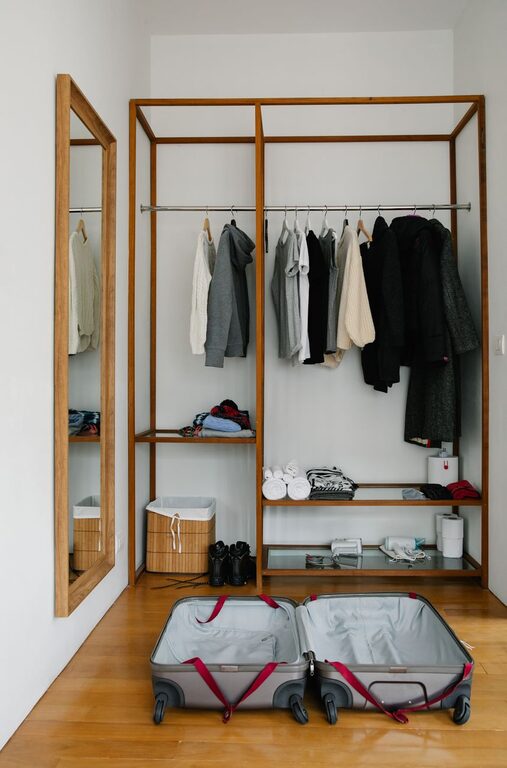
Storing seasonal clothes efficiently is a smart way to keep your home organized and protect your wardrobe throughout the year. Whether you’re switching from winter coats to summer dresses or tucking away spring jackets until next year, having a system in place can save you time, space, and frustration. In this post, we’ll walk you through practical steps to store your seasonal clothes neatly and safely.
Why Efficient Seasonal Clothing Storage Matters
Clothing takes up a significant amount of space, and rotating your wardrobe seasonally helps keep your closet manageable. However, without proper storage, clothes can become wrinkled, damaged, or lost. Efficient storage not only protects your garments but also makes it easier to access the items you need when each season arrives.
Step 1: Sort and Declutter Before Storing
Before packing away your seasonal clothes, take some time to sort through them. Separate the items you want to keep, donate, or discard. Consider:
– Condition: Throw away clothes that are worn out or damaged beyond repair.
– Fit and Style: If something no longer fits or suits your style, it may be time to let it go.
– Frequency of Use: Store only the clothes you expect to wear next season or later.
Sorting helps reduce storage space and ensures that you won’t be burying unwanted clothes in your storage bins.
Step 2: Clean Clothes Before Storage
Always wash or dry-clean clothes before storing. Dirt, sweat, and oils can attract pests and cause fabric deterioration over time. Make sure your clothes are completely dry to prevent mold and mildew.
– Wash delicate fabrics by hand or use gentle cycles.
– Follow garment care labels for best results.
– Iron or steam clothes to reduce wrinkles before packing.
Step 3: Choose the Right Storage Containers
The containers you use can make a big difference in how well your clothes are preserved and how easy it is to access them later.
Types of Storage Containers
– Plastic bins with tight-fitting lids: These protect clothes from moisture, dust, and pests. Look for clear bins so you can see what’s inside.
– Fabric storage bags: Great for breathable storage, but less protective against pests.
– Vacuum-sealed bags: They save space by compressing bulky items like sweaters and coats, but avoid using them for fabrics that benefit from airflow such as silk or leather.
– Suitcases or under-bed storage boxes: Useful for seasonal items you want to keep easily accessible.
Ensure containers are clean and completely dry before use.
Step 4: Organize Clothes by Category and Frequency
Organizing clothes when you store them will save you time and effort when it’s time to unpack.
– Group items by type (e.g., sweaters, pants, scarves).
– Label each container clearly.
– For frequently used items, keep them in easy-to-reach places.
– Store special occasion or rarely used clothes separately.
Step 5: Use Proper Folding and Packing Techniques
Folding your clothes carefully helps prevent wrinkles and saves space:
– Use the “rolling” method for t-shirts, leggings, and casual wear.
– Fold sweaters and heavier items flat to maintain their shape.
– Place heavier items at the bottom of containers.
– Avoid overpacking bins to prevent crushing clothes.
For more delicate or easily wrinkled items, consider hanging them in garment bags if closet space allows.
Step 6: Protect Clothes from Pests and Damage
Closet moths, insects, and moisture can damage your clothes if you’re not careful.
– Use natural repellents such as cedar blocks or lavender sachets.
– Avoid mothballs due to their strong smell and chemicals.
– Place silica gel packets in boxes to absorb moisture.
– Keep storage areas clean, dry, and well-ventilated.
Step 7: Store in a Suitable Location
Where you store your seasonal clothes is just as important as how you store them.
– Avoid damp basements or attics with extreme temperature fluctuations.
– Choose cool, dry places such as closets, under beds, or utility rooms.
– Keep storage off the floor by using shelves or pallets to protect from potential flooding.
Step 8: Maintain Your Storage Routine
Seasonal clothing storage works best as a regular habit:
– Revisit your stored clothes each season to check for damage.
– Clean containers and replace repellents as needed.
– Update your wardrobe by donating items you no longer wear.
Bonus Tips for Efficient Seasonal Clothes Storage
– Use wardrobe organizers: Hanging shelves or dividers help keep things tidy.
– Color-code containers: Assign colors to different seasons for quick identification.
– Create a digital inventory: Take photos and maintain a list of stored items to find things easily later.
– Consider off-site storage: For those with limited space, renting a small storage unit may be an option.
Conclusion
Efficiently storing your seasonal clothes can make a noticeable difference in your home organization and the longevity of your wardrobe. By sorting, cleaning, using the right containers, and choosing a proper storage location, you can keep your clothes fresh and ready for their next season of wear. With a little effort and planning, switching wardrobes will become a smooth and stress-free process.
Happy organizing!